
Kilter Hypnotherapy
Sports Performance coaching & Pain Management in Scotland
Negative Thinking Spirals
What happens in the moments after you lose a point in your sport?
Is it only about that point? Or do you start to spiral?
For many athletes, losing one point, or messing up in one small way, is the start of something much bigger than that one point: a downward spiral of negative thinking.
First, it’s the lost point. Then, you have a physical reaction to that: tension creeping in; hesitancy you can’t afford. Feelings of anxiety, pressure, or shame follow. Self-doubt kicks in and harsh self-talk begins: “I can’t believe I missed that!” “What an idiot…”. These thoughts pull your focus away from performing and before you know it, you’ve lost the next point too.
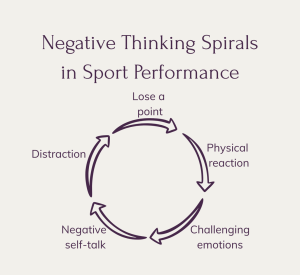
Figure 1: Negative Thinking Spiral (adapted from Fritch and Jekauc (2020) Self-Talk in Sport)
When you’re stuck in a cycle like this, it can feel hopeless. And that hopelessness only reinforces the spiral.
Luckily, there’s a solution.
This negative spiral has five distinct points where you can break the cycle, and you only need one. Choose the one that feels easiest, and see if you can deliberately reverse your negative thinking spiral.
- The trigger
A negative spiral starts with a trigger: a lost point, a fumble, some missed footwork.
But we can choose a different trigger and have it represent positive feelings, thoughts and actions. In sports performance hypnotherapy, we find a trigger, like bouncing a tennis ball, and practice this representing flow state; a positive phrase like “focus and flow”; and confident emotions.
- The physical reaction
This is the easiest place to start on your own. In a negative spiral, our physical reaction impedes our performance. Muscle tension; shallow breathing; hunched shoulders.
But we have a lot of control over our bodies. Noticing the tension, can you try to let it go? Noticing your breathing, can you try to breathe into your belly? Now you’re back in control physically, and thoughts and emotions follow.
- The emotional reaction
This harder, because we have less control over our emotions. But two things can help. First, simply allow yourself to feel the feeling. “Oh, I’m feeling a bit anxious”. Often, our resistance to difficult emotions amplifies them, so befriending them can take the edge off. Second, become familiar with where you feel emotions in our body and work with them physically. Breathe into that pit in your belly; let the tension in your shoulders soften. Effectively, you’ve reframed your emotional reaction as a physical one, and made it easier to manage.
- The self-talk
Self-talk in a negative spiral is often hopeless: I’ll never win now… I’m useless! Working with a therapist can help address these patterns in the longer-term. But in the moment, a positive coping statement can interrupt the cycle. A short, meaningful phrase like “focus and flow” or “I feel relaxed and confident” can interrupt the negative self-talk with something practiced enough that it’s louder than the negative noise.
- The attention
When you spiral, your attention goes to unhelpful places: the audience; how well your opponents are performing; the weather. Mindfulness can redirect your attention to where it helps: how well your body is moving; the support of your teammates or coach. When your attention is in the right place, you start moving more efficiently.
A combination of these interventions can stop a negative spiral before it does any real damage. Start with just one and try it out for a week or two, then build from there.
In hypnosis, we can rehearse all of these as if we were mid-spiral, then anchor that to a trigger so you can recreate that calm and focus on demand.
Ready to experience this for yourself? Download a free recording to try it out.